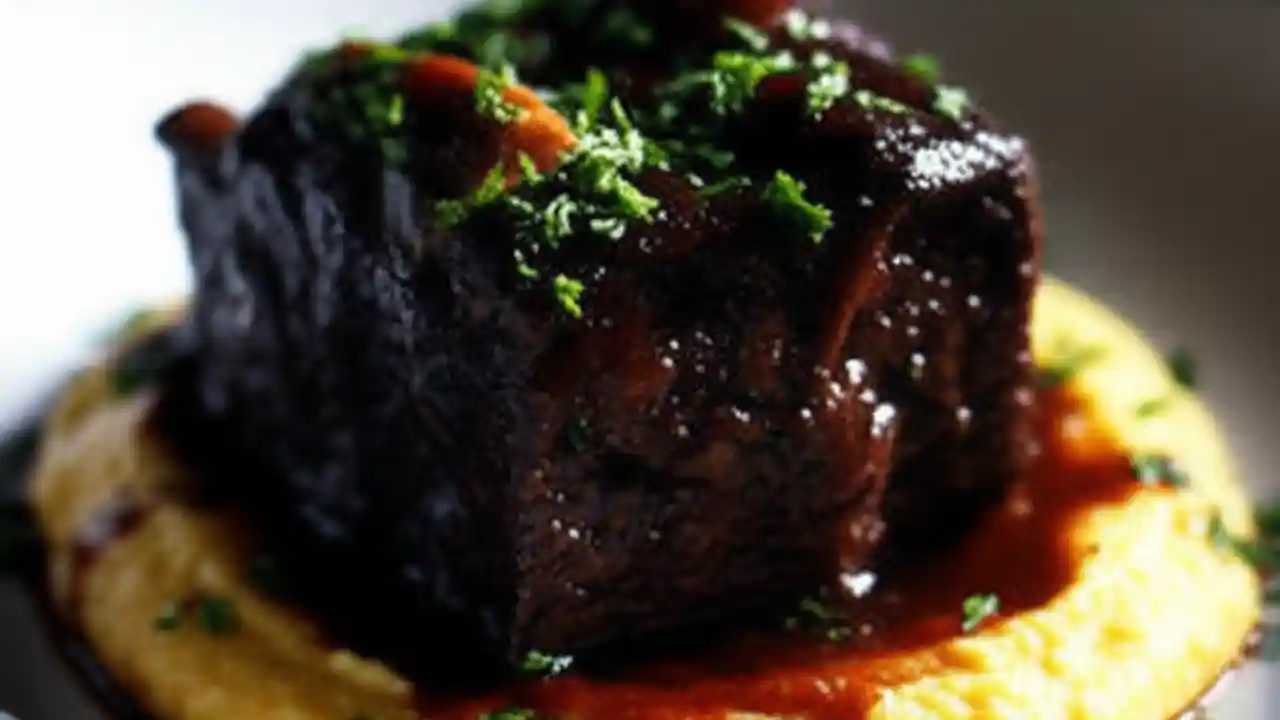
There are few dishes as universally cherished as a plate of perfectly braised short ribs. The mere mention conjures images of rich, succulent beef, so impossibly tender it practically melts at the touch of a fork. It’s the quintessential comfort food, ideal for a cozy Sunday evening yet elegant enough to grace a special occasion dinner party. But achieving that restaurant-quality, fall-apart texture and deeply complex flavor at home can feel like a culinary mystery. Thankfully, celebrity chef Anne Burrell, renowned for her bold flavors and practical techniques, has cracked the code. She demystifies the process, revealing the secrets to creating truly unforgettable restaurant-worthy braised short ribs at home, transforming a humble cut of beef into a culinary masterpiece. Join us as we uncover Anne’s expert tips, ensuring your next batch of braised short ribs is nothing short of spectacular.
The Foundation of Flavor: Selecting and Searing Your Short Ribs
The journey to phenomenal braised short ribs begins long before the first aroma fills your kitchen. It starts with careful selection and a crucial initial step that builds a foundational layer of flavor.
Choosing the Perfect Cut: Bone-In for the Win
Anne Burrell firmly advocates for bone-in beef short ribs, and for good reason. The bone itself is a treasure trove of flavor, slowly leaching marrow and minerals into the braising liquid, enriching it with unparalleled depth. Beyond flavor, the bone helps the meat cook more evenly, preventing it from drying out prematurely. When you’re at the butcher counter, look for ribs that are generously meaty with plenty of well-marbled fat. This marbling is key; it will render down during the long cooking process, basting the meat from within and contributing to that desirable juiciness and melt-in-your-mouth texture. Don't be shy about asking your butcher for their best recommendations!
The Critical Sear: Building that Golden Crust
This is arguably Anne’s "never skip" step, and for any serious home cook, it's non-negotiable for exceptional braised short ribs. Searing the short ribs on all sides achieves two vital things: it creates a deeply flavorful crust on the meat itself through the Maillard reaction, and it builds a concentrated layer of browned bits – known as fond – at the bottom of the pan. This fond is pure gold, packed with umami, and will become the backbone of your braising liquid. To ensure an even, beautiful sear, work in batches. Overcrowding the pot will lower the temperature, steam the meat instead of browning it, and result in a pale, less flavorful exterior. A large, heavy-bottomed pot like a Dutch oven is ideal for this step, as it retains heat exceptionally well.
The Smart Fat Drain: Preventing Greasiness
After you’ve meticulously browned all your short ribs and your kitchen smells incredible, you'll likely find a good amount of rendered fat in the bottom of your pot. While some fat is good for flavor, too much can make your finished dish greasy and overly rich. Anne’s tip is simple but effective: drain most of this rendered fat away. This ensures your braised short ribs maintain a luxurious, comforting texture without feeling heavy or oily, allowing the deep, savory flavors to shine through beautifully.
Crafting the Braising Liquid: Anne's Flavorful Approach
With your short ribs perfectly seared, the next crucial step is building a braising liquid that will infuse every fiber of the meat with incredible flavor and body. Anne Burrell’s method is a masterclass in layering tastes and textures.
Pureeing Aromatics for Depth and Body
Forget roughly chopped vegetables. Anne takes her aromatics – typically onion, carrot, celery, and garlic – and transforms them into a thick, flavorful paste using a food processor. This "sofrito" technique is genius because it distributes the aromatic flavors more uniformly throughout the braising liquid. More importantly, it adds significant body to the sauce without needing a thickener later. As these pureed vegetables cook down, they practically dissolve, creating a naturally rich and velvety texture that coats the braised short ribs beautifully.
Browning for "Crud" and Umami
Once your aromatic paste is ready, Anne’s next secret comes into play: browning it. Cook the pureed vegetables in the pot until they develop a very dark, sticky fond – what she affectionately calls "crud" – on the bottom. This isn't burning; it's intensifying the sweetness and savoriness of the vegetables through caramelization. After the vegetables have reached this deep brown stage, add your tomato paste and continue to brown it. Tomato paste, when properly caramelized, adds a tremendous amount of umami and acidity, creating a deeply flavorful and well-rounded braising liquid that is essential for extraordinary braised short ribs.
The Right Red Wine and Deglazing
When it comes to wine, Anne recommends a hearty, full-bodied dry red wine. Think Cabernet Sauvignon, Zinfandel, or Merlot. The key is a wine with enough acidity to cut through the richness of the beef and savory flavors, while also contributing its own complex notes. Once the vegetable and tomato pastes are beautifully browned, pour in the wine. This is your cue to deglaze the pot, vigorously scraping up all those glorious brown bits – the fond and the "crud" – from the bottom. These concentrated flavors will dissolve into the wine, becoming an integral part of your magnificent braising liquid. If you're curious about other liquid options, some recipes, like those for Bourbon Braised Short Ribs: A Southern Twist on a Classic, explore using spirits like bourbon to add a unique sweetness and depth.
The Power of Progressive Seasoning
Anne stresses the importance of seasoning with salt at every stage of cooking. Instead of waiting until the end, adding salt as you go helps to develop and layer flavors incrementally. A pinch of salt after searing, another after browning the aromatics, and a final adjustment to the braising liquid ensures that each component tastes its best, leading to a perfectly balanced and deeply seasoned final dish. This progressive approach allows the salt to integrate fully, enhancing every nuance of flavor rather than just sitting on the surface.
Low and Slow Perfection: The Braising Process
With all the flavor foundations laid, it's time to let the oven do its magic, transforming tough short ribs into fork-tender bliss through the power of low and slow cooking.
The Oven's Gentle Embrace
Anne braises her short ribs in a 375°F oven for approximately three hours. This seemingly simple step is where the magic truly happens. The consistent, gentle heat of the oven ensures that the beef cooks slowly and evenly, allowing the tough connective tissues in the short ribs to gradually break down into gelatin. This is what creates that luscious, unctuous texture and ensures the meat is incredibly juicy and, most importantly, fall-apart tender. Resist the urge to rush this process; patience is a virtue when it comes to braising.
Even Cooking: The Mid-Cook Turn
To guarantee uniform tenderness and ensure both sides of your short ribs have ample time submerged in the rich braising liquid, Anne advises turning them halfway through the cooking process. A quick flip about 90 minutes in will help the heat and liquid penetrate evenly, resulting in every piece of meat being equally succulent and flavorful.
The Grand Finale: Reducing for a Luscious Sauce
For the last 20 minutes of cooking, Anne suggests removing the lid from your Dutch oven. This simple action allows moisture to escape, concentrating and reducing the braising liquid into a glorious, intensely flavored sauce. It thickens naturally, developing a glossy sheen and a rich, spoonable consistency that is perfect for drizzling generously over your finished short ribs and their accompaniments. This reduction step truly elevates the dish, turning a mere cooking liquid into a luxurious sauce that is a star in its own right.
Serving Suggestions and Make-Ahead Magic
Once your braised short ribs have reached their peak of fall-apart tenderness, the delight isn't just in the eating, but also in how you present and enjoy them.
These magnificent short ribs are incredibly versatile in terms of serving. Classic pairings include creamy mashed potatoes, which soak up every drop of that exquisite sauce like a dream. Other excellent choices are smooth polenta, hearty grits, or even wide egg noodles, all providing the perfect vehicle for savoring the rich braising liquid. For a touch of freshness, consider a sprinkle of chopped fresh parsley or chives before serving. Don't forget that braised short ribs are the ultimate make-ahead dish; like many braised dishes, their flavors deepen and meld even further after a day in the refrigerator. This makes them perfect for entertaining, as you can prepare them in advance and simply reheat them when your guests arrive. And if you're lucky enough to have leftovers, they freeze beautifully, ensuring you can enjoy this gourmet meal again whenever a craving strikes.
Conclusion
Anne Burrell's approach to braised short ribs transforms a potentially intimidating dish into an achievable culinary triumph for any home cook. By focusing on fundamental techniques – from selecting bone-in, well-marbled beef and executing a perfect sear, to building layers of flavor with pureed aromatics and strategic browning, and finally, embracing the magic of low-and-slow oven braising – she empowers you to create short ribs that are truly fall-apart tender and bursting with a depth of flavor. These aren't just meals; they're experiences, embodying comfort, richness, and culinary craftsmanship. So grab your Dutch oven, follow Anne’s expert guidance, and prepare to impress yourself and everyone at your table with the best braised short ribs you've ever made.
