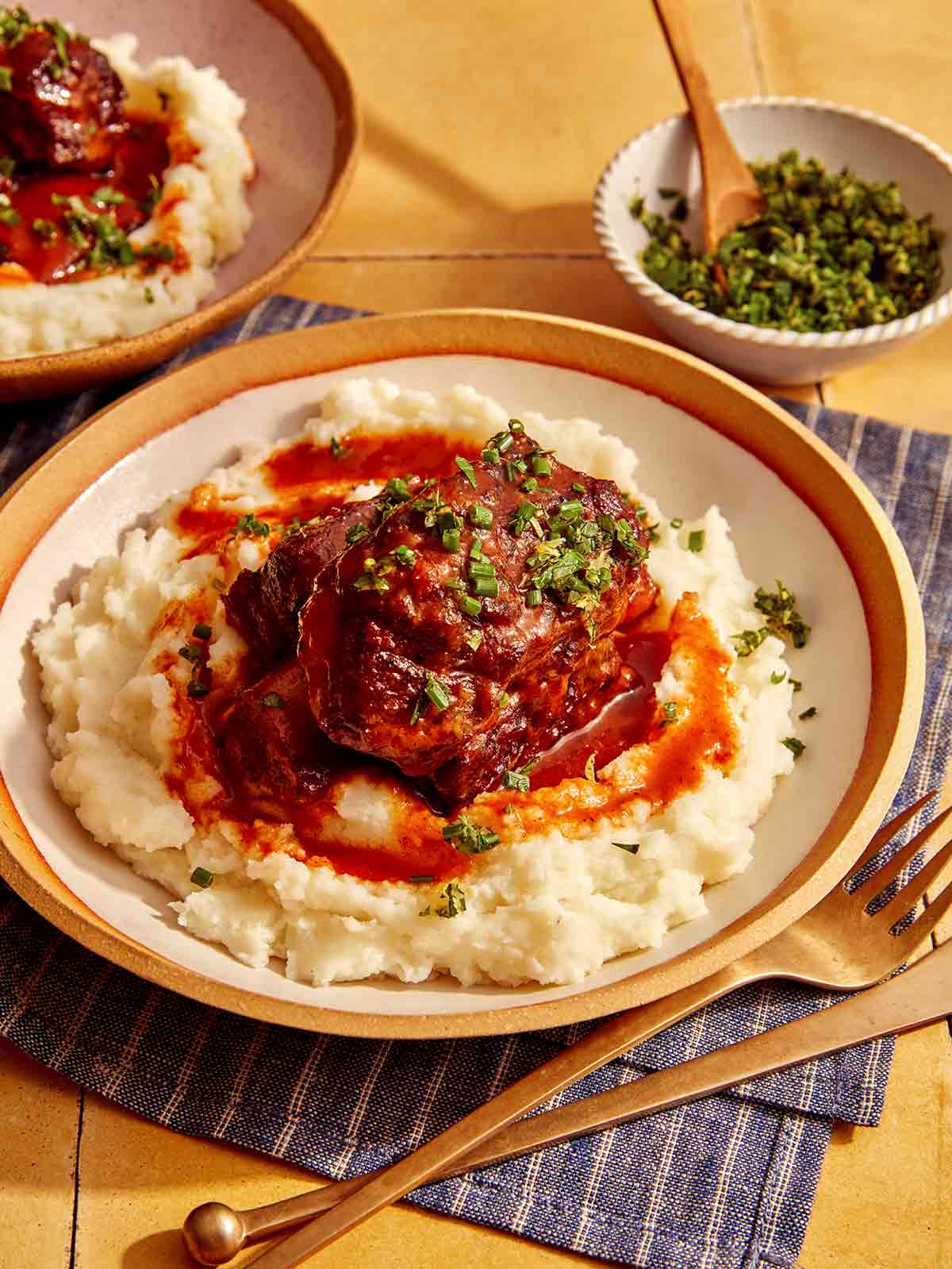
Achieve Restaurant-Worthy Braised Short Ribs at Home
There are few dishes that evoke the same sense of warmth, luxury, and pure comfort as perfectly braised short ribs. Imagine fork-tender beef, practically melting off the bone, enveloped in a rich, deeply flavorful sauce. It’s a dish often reserved for special occasions or enjoyed at upscale restaurants, yet with the right techniques and a little patience, you can master these incredible braised short ribs right in your own kitchen. This comprehensive guide will walk you through the essential steps, insider tips, and flavorful twists to ensure your homemade short ribs are nothing short of spectacular, impressing guests and satisfying even the most discerning palates.The Foundation: Selecting Your Short Ribs and Essential Equipment
The journey to exceptional braised short ribs begins long before the first sizzle in the pan. Choosing the right cut of meat and having the proper tools are paramount for success.Choosing the Perfect Cut: Bone-In for Maximum Flavor
For truly restaurant-worthy results, always opt for bone-in beef short ribs. While boneless varieties exist, the bone itself imparts an incredible depth of flavor to the braising liquid. As the ribs cook, marrow and collagen from the bone slowly release, enriching the sauce with a savory complexity and contributing to the meat's luscious tenderness. Look for short ribs that are:
- Meaty: They should have a substantial amount of beef attached to the bone, not just fat.
- Well-marbled: Visible streaks of fat (marbling) throughout the meat are a good sign. This fat will render during the long cooking process, basting the meat from within, ensuring juiciness, and contributing to that melt-in-your-mouth texture.
- Uniformly cut: While not always possible, try to find ribs that are roughly similar in size to ensure even cooking.
The Essential Tool: Your Trusty Dutch Oven
A heavy-bottomed pot with a tight-fitting lid, like a Dutch oven, is indispensable for braising. Its superior heat retention and even heat distribution are crucial for the long, slow cooking process. Ensure your pot is large enough to comfortably accommodate all your short ribs and vegetables without overcrowding. A 5-7 quart Dutch oven is typically ideal for a standard recipe serving 4-6 people.
Building Flavor from the Ground Up: The Searing and Sofrito Method
The secret to a multi-layered, intensely flavorful sauce lies in building foundation flavors step by step. This starts with a crucial technique that you should never skip: searing.The Golden Rule: Searing for a Flavorful Crust (The Unskippable Step!)
Before any liquid touches the pan, you must properly sear your short ribs. This step is not just for aesthetics; it's where the magic of the Maillard reaction happens. When the meat's surface caramelizes and browns, it develops hundreds of new, complex flavor compounds that form a rich, savory crust. This crust translates directly into a deeper, more robust flavor in your final dish.
- Pat Dry: Always pat your short ribs thoroughly dry with paper towels before searing. Moisture inhibits browning.
- Hot Pan, Not Smoking: Heat a tablespoon or two of high-smoke-point oil (like grapeseed or canola) in your Dutch oven over medium-high heat until it shimmers.
- Work in Batches: This is critical. Crowding the pan will lower the temperature, steam the meat instead of searing it, and prevent that beautiful brown crust from forming. Sear 2-3 ribs at a time, ensuring they have plenty of space.
- Brown All Sides: Sear each side of the short ribs until a deep, golden-brown crust forms. This creates the "fond"—those dark, flavorful bits stuck to the bottom of the pan—which will become the backbone of your sauce.
Once all the ribs are seared and set aside, you'll likely notice a good amount of rendered fat in the bottom of the pot. Drain away most of this fat, leaving just a tablespoon or two. This prevents the finished dish from becoming overly greasy or unpleasantly rich.
The Aromatic Core: Pureed Sofrito and Tomato Paste
With the fond established, it’s time to build the aromatic base of your braising liquid. A classic mirepoix (onion, carrot, celery) combined with garlic, often pureed into a paste, provides body and a sweet, earthy foundation.
- Create the Paste: Finely chop or puree a mix of onions, carrots, celery, and garlic. Pureeing creates a smoother sauce and helps the vegetables fully integrate their flavors.
- Brown the Aromatics: Add the pureed vegetable paste to the Dutch oven with the reserved fat. Cook slowly over medium heat, stirring frequently, until the paste browns significantly and forms a dark "crud" on the bottom of the pan. This browning caramelizes the natural sugars in the vegetables, deepening their savory notes and adding another layer of complexity.
- Add Tomato Paste: Stir in a few tablespoons of tomato paste and continue to cook for another 2-3 minutes, pressing it against the bottom of the pan. This vital step helps to concentrate its rich, umami flavor, transforming it from bright to deeply savory.
Crafting the Perfect Braising Liquid: Wine, Bourbon, and Beyond
The braising liquid is where your short ribs will spend hours slowly transforming into tender perfection. The choice of liquid significantly impacts the final flavor profile.The Classic Choice: Hearty Red Wine
A hearty, full-bodied dry red wine is the traditional choice for braised short ribs. The wine's acidity helps to cut through the richness of the beef, while its complex fruit and tannin notes infuse the meat with incredible flavor. Look for wines like Cabernet Sauvignon, Merlot, Zinfandel, or even a robust Chianti. Once the vegetables and tomato paste are well browned, pour in the wine.
Deglazing: As the wine hits the hot pan, immediately scrape up all those flavorful brown bits (the fond and crud) from the bottom. This process, called deglazing, incorporates all that accumulated flavor into your liquid. For more expert insights into this method, you might find valuable tips in Anne Burrell's Secrets for Fall-Apart Braised Short Ribs.
A Southern Twist: Bourbon Braised Short Ribs
If you're looking for an exciting alternative, consider using bourbon! This Southern-inspired approach adds an underlying sweetness, along with notes of caramel, vanilla, and oak, that beautifully complements the beef. The Southern Living recipe notably elevates the dish with bourbon, molasses, and Worcestershire sauce, finishing with a touch of mustard for brightness. This unique blend creates a deeply savory and subtly sweet sauce that's truly irresistible. Explore this delicious variation further in Bourbon Braised Short Ribs: A Southern Twist on a Classic. Brandy or cognac can also be used for similar, though distinct, results.
After the wine or bourbon has simmered for a few minutes to cook off some of the alcohol, add beef broth (or a combination of broth and water) until the short ribs are mostly submerged. Season generously with salt and pepper, remembering to taste and adjust the seasoning as you go. Layered seasoning throughout the process is key to a truly flavorful dish.
The Art of Low and Slow: Achieving Fall-Apart Tenderness
Now comes the patient part: the braise. This is where the magic of time and gentle heat transforms tough cuts into buttery, tender meat.Oven Braising: The Key to Consistency
While some recipes brave the stovetop, oven braising offers unparalleled consistency in temperature, ensuring even cooking and preventing scorching. Place your Dutch oven, with the lid on, into a preheated oven. A common temperature for braising short ribs is around 375°F (190°C) for approximately 3 hours, though specific recipes may vary slightly. The low, steady heat slowly breaks down the tough connective tissues in the short ribs, converting collagen into luscious gelatin. This is what makes the meat so incredibly juicy and "fall-apart" tender.
For even cooking, turn the short ribs halfway through the braising time. This ensures both sides of the meat spend equal time submerged and gently cooking in the flavorful liquid.
The Grand Finale: Reducing the Sauce
In the final 20-30 minutes of cooking, remove the lid from your Dutch oven. This allows some of the moisture to evaporate, concentrating the flavors and naturally reducing the braising liquid into a rich, luscious sauce that's perfect for spooning over your magnificent short ribs. The sauce will thicken slightly, developing a silky texture and intensified taste.
Once cooked, remove the short ribs from the oven and allow them to rest in the liquid for 10-15 minutes before serving. This allows the juices to redistribute, ensuring the meat remains as tender and succulent as possible.
